




Best Shoulder Exercises for Strength and Muscle Growth

The best shoulder exercises are dumbbell shoulder presses, lateral raises and rear delt flyes. Together, these movements target the front, side and rear deltoids, helping you build stronger, more balanced shoulders.
Whether you're training at home or in the gym, you don't need a complicated routine or a machine for every movement. Combining pressing and isolation exercises with good technique and progressively challenging resistance can help you develop shoulder strength and muscle over time.
What Are the Best Shoulder Exercises for All 3 Heads?
The best way to train all three heads of the shoulder is to combine an overhead press, lateral raise and rear delt exercise. Each movement emphasises a different part of the deltoid muscle.
Your shoulders contain three main deltoid heads:
|
Deltoid muscle |
Main function |
Best exercise options |
|
Front deltoid (anterior) |
Raises the arm forwards and assists pressing |
Dumbbell press, overhead press |
|
Side deltoid (lateral) |
Raises the arm outwards |
Dumbbell lateral raise, cable lateral raise |
|
Rear deltoid (posterior) |
Moves the upper arm backwards |
Rear delt fly, reverse pec deck |
The front deltoids already receive considerable work during chest presses and overhead presses. That's why adding side and rear delt exercises is particularly useful for balanced shoulder development.
Your rotator cuff muscles also help stabilise the shoulder joint. They support movement and control, although their training requirements differ from those of the larger deltoid muscles.
8 Best Shoulder Exercises for Strength and Size
These eight exercises cover the main movement patterns needed for shoulder development. You don't need to perform all of them in one session. Choose three or four based on your goals, experience and available equipment.
1. Dumbbell Shoulder Press

Best for: Overall shoulder strength and muscle growth
Muscles worked: Front and side deltoids, triceps
Recommended: 3 sets of 8–12 reps
The dumbbell shoulder press is one of the most effective compound shoulder exercises. It allows each arm to work independently and makes it easy to adjust resistance as you get stronger.
How to perform it:
-
Sit upright on a supportive bench or stand with your feet shoulder-width apart.
-
Hold the dumbbells at shoulder height.
-
Press upwards until your arms are comfortably extended.
-
Lower the weights slowly to the starting position.
Keep your core engaged and avoid excessively arching your lower back.
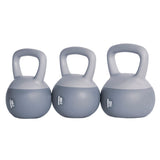
For home training, a pair of adjustable dumbbells makes it easier to increase resistance without needing multiple sets of weights.
2. Dumbbell Lateral Raises

Best for: Building wider shoulders
Muscles worked: Side deltoids
Recommended: 3 sets of 12–15 reps
Lateral raises target the side deltoids, which contribute to shoulder width and upper-body definition.
How to perform them:
-
Stand upright with a dumbbell in each hand.
-
Keep a slight bend in your elbows.
-
Raise your arms outwards to approximately shoulder height.
-
Lower slowly without swinging the weights.
Lateral raises work well with lighter weights than shoulder presses. If you need momentum to lift the dumbbells, reduce the resistance.
3. Rear Delt Dumbbell Flyes

Best for: Rear shoulder development
Muscles worked: Rear deltoids and upper-back muscles
Recommended: 3 sets of 12–15 reps
Rear delt flyes strengthen the back of your shoulders and complement pressing exercises.
How to perform them:
-
Hold a light dumbbell in each hand.
-
Hinge forwards at your hips while maintaining a neutral back.
-
Raise your arms outwards with slightly bent elbows.
-
Lower the weights under control.
If maintaining the bent-over position feels difficult, use an incline bench for chest support.
Rear delt exercises also complement upper-back training. For more exercises targeting the surrounding muscles, explore our guide to the best back exercises.
4. Barbell Overhead Press

Best for: Building pressing strength
Muscles worked: Front and side deltoids, triceps
Recommended: 3 sets of 6–10 reps
The barbell overhead press is a compound strength exercise that allows you to progressively increase resistance.
How to perform it:
-
Hold the barbell at upper-chest height.
-
Brace your core and keep your wrists aligned with your forearms.
-
Press the bar overhead in a controlled movement.
-
Lower it back to the starting position.
Avoid leaning excessively backwards as the weight increases.
If you're building a strength training setup, explore Orbit Fitness' range of barbells for home and gym workouts.
5. Cable Lateral Raises

Best for: Targeted side delt training
Muscles worked: Side deltoids
Recommended: 3 sets of 12–15 reps
Cable lateral raises offer a different resistance profile from dumbbells, making them a useful alternative for isolating the side deltoids.
How to perform them:
-
Set the cable pulley to a low position.
-
Stand sideways to the machine and hold the handle.
-
Raise your arm outwards to around shoulder height.
-
Lower slowly and repeat on the other side.
Keep your torso stable throughout the movement. You should feel the side of your shoulder working without needing to swing your body.
6. Face Pulls

Best for: Rear shoulder and upper-back strength
Muscles worked: Rear deltoids, upper back and shoulder external rotators
Recommended: 3 sets of 12–15 reps
Face pulls are a useful accessory exercise that strengthens the rear shoulders and upper back. They complement pressing movements and can be performed using a cable machine or resistance band.
How to perform them:
-
Set a rope attachment around upper-chest or face height.
-
Hold both ends of the rope and step back to create tension.
-
Pull towards your face while separating your hands.
-
Return slowly to the starting position.
Use a manageable weight and concentrate on controlled movement rather than pulling as heavily as possible.
7. Reverse Pec Deck Flyes

Best for: Machine-based rear delt training
Muscles worked: Rear deltoids and upper-back muscles
Recommended: 3 sets of 10–15 reps
The reverse pec deck provides a supported way to isolate the rear shoulders. Its fixed setup makes it easier to focus on the movement without balancing free weights.
How to perform it:
-
Adjust the seat so the handles align comfortably with your shoulders.
-
Sit facing the machine with your chest supported.
-
Move your arms backwards in a controlled arc.
-
Return slowly without allowing the weight stack to drop.
This is a useful alternative to dumbbell rear delt flyes, particularly if you prefer machine-based exercises.
8. Pike Push-Ups

Best for: Shoulder training at home without equipment
Muscles worked: Front deltoids, triceps and upper-body stabilisers
Recommended: 3 sets of 6–12 reps
Pike push-ups are one of the best bodyweight shoulder exercises because they place greater emphasis on the shoulders than standard push-ups.
How to perform them:
-
Start in a push-up position.
-
Raise your hips towards the ceiling to form an inverted V.
-
Bend your elbows and lower your head towards the floor.
-
Push back to the starting position.
Adjust your hand and foot positions to find a comfortable level of difficulty.
What Are the 3 Best Shoulder Exercises for Mass?
If your goal is to build bigger shoulders, start with the dumbbell shoulder press, lateral raise and rear delt fly. These three exercises provide a straightforward combination of compound pressing and targeted isolation work.
Simple Shoulder Workout for Muscle Growth
|
Exercise |
Sets |
Reps |
Rest |
|
Dumbbell shoulder press |
3 |
8–12 |
90–120 seconds |
|
Dumbbell lateral raise |
3 |
12–15 |
60–90 seconds |
|
Rear delt fly |
3 |
12–15 |
60–90 seconds |
Choose weights that make the final few repetitions challenging without compromising your technique.
As you become stronger, gradually increase the weight or repetitions. This is known as progressive overload and is an important part of building muscle over time.
For example, if you can comfortably complete three sets of 12 shoulder presses with the same weight, consider moving to a slightly heavier pair of dumbbells while maintaining good form.
Building muscle takes time, so focus on consistent training and gradual progression. For more guidance, read our article on how long it takes to build muscle.
What Are the Best Shoulder Exercises at Home?
You can build shoulder strength at home using dumbbells, resistance bands or bodyweight exercises. You don't need a complete gym setup to train all three deltoid heads.
A simple home shoulder workout could include:
|
Exercise |
Equipment |
Sets and reps |
|
Dumbbell shoulder press |
Dumbbells |
3 × 8–12 |
|
Dumbbell lateral raise |
Dumbbells |
3 × 12–15 |
|
Rear delt fly |
Dumbbells |
3 × 12–15 |
|
Pike push-up |
No equipment |
2 × 6–10 |
If you're training without weights, pike push-ups are a useful starting point for pressing strength. Wall-supported pike holds can also help develop shoulder control and endurance.
However, bodyweight exercises alone can make it harder to isolate the side and rear deltoids. Adding dumbbells or resistance bands provides more exercise options.
For a compact home setup, a pair of dumbbells for home workouts can support shoulder presses, lateral raises and rear delt flyes without taking up much space.
Are Dumbbells, Cables or Machines Better for Shoulder Training?
Dumbbells, cables and machines can all be effective for building shoulder strength and muscle. The best option depends on your training goals, experience and available space.
|
Equipment |
Main advantages |
Best suited to |
|
Dumbbells |
Versatile, compact and suitable for multiple exercises |
Home and gym workouts |
|
Cable machines |
Adjustable resistance angles and smooth movement |
Targeted isolation exercises |
|
Shoulder press machines |
Guided movement and a stable setup |
Controlled pressing exercises |
|
Barbells |
Convenient progressive loading |
Compound strength training |
For most home gyms, dumbbells are the most practical starting point. They allow you to perform shoulder presses, lateral raises and rear delt flyes without investing in several machines.
A supportive weight bench can also make seated presses and chest-supported rear delt exercises more comfortable.
If you regularly train at a commercial gym, combining free weights with cable or machine exercises can add variety to your routine. Our guide to free weights vs machines explains the practical differences.
If you're choosing between dumbbells and a barbell for your home gym, you can also compare their advantages in our dumbbells vs barbells guide.
There's no need to use every equipment type to build strong shoulders. Consistent training and appropriate resistance matter more than the number of machines available.
How Often Should You Train Shoulders for Muscle Growth?
Training your shoulders twice per week is a practical starting point for many people, provided you allow enough recovery between demanding sessions.
Your ideal training frequency depends on your experience, weekly exercise volume and how much shoulder work you already perform during chest and back workouts.
For example:
-
Monday: Dumbbell shoulder press, lateral raises and rear delt flyes.
-
Thursday: Cable lateral raises, face pulls and a shoulder press variation.
Remember that your front deltoids also contribute to many pressing movements. If your weekly routine already includes exercises from our best chest exercises guide, account for that additional shoulder work when planning your training.
You don't need to train your shoulders to exhaustion every session. Focus on completing challenging sets with good technique and gradually progressing over time.
Common Shoulder Training Mistakes to Avoid
-
Lifting too heavy: Using momentum during raises reduces control.
-
Ignoring rear delts: Pressing exercises alone don't provide balanced shoulder training.
-
Skipping warm-ups: Prepare your shoulders with light movement and progressively heavier warm-up sets.
-
Training through pain: Stop exercises that cause sharp or worsening shoulder pain.
-
Increasing resistance too quickly: Progress gradually while maintaining proper technique.
If you have an existing shoulder injury or persistent discomfort, consult a qualified healthcare professional before starting a new exercise routine.
Frequently Asked Questions
What are the best shoulder exercises for beginners?
Dumbbell shoulder presses, lateral raises and rear delt flyes are good starting exercises for beginners. Use light weights, practise controlled movements and gradually increase resistance as your strength and confidence improve.
What are the best shoulder exercises for women?
Dumbbell presses, lateral raises, rear delt flyes and cable raises are effective shoulder exercises for women. The same fundamental exercises work for men and women, with weights, sets and repetitions adjusted to individual goals and experience.
What are the best shoulder exercises for men?
Overhead presses, dumbbell lateral raises and rear delt flyes are effective for building shoulder strength and muscle. Combining compound and isolation exercises helps develop the front, side and rear deltoids.
Can you build bigger shoulders with dumbbells only?
Yes. Dumbbells can effectively build shoulder muscle through presses, lateral raises and rear delt flyes. Progressive overload, consistent training and adequate recovery are more important than having access to multiple gym machines.
Are shoulder presses enough to build all three deltoids?
No. Shoulder presses primarily train the front deltoids, with assistance from the side deltoids and triceps. Adding lateral raises and rear delt exercises provides more complete shoulder development.
What are the best shoulder exercises without weights?
Pike push-ups are one of the most effective bodyweight options for developing shoulder pressing strength. Wall-supported pike holds and controlled shoulder movements can also help, although dumbbells or resistance bands offer more options for targeting the side and rear deltoids.
Build Stronger Shoulders With Orbit Fitness
The best shoulder exercises combine pressing movements with targeted side and rear delt training. You don't need an overly complicated workout. A few well-chosen exercises, performed consistently with good technique, can help you build strength and muscle over time.
Whether you're starting strength training or upgrading your home gym, having the right equipment makes it easier to train comfortably and progress at your own pace.
At Orbit Fitness, we're here to help you choose equipment that suits your space, experience and training goals. Visit your nearest Orbit Fitness store in Western Australia for friendly, knowledgeable advice.


