




Body Mass Index Calculator
Use our BMI calculator to calculate your body mass index (BMI) from your height and weight. BMI is calculated by dividing your weight in kilograms by your height in metres squared. For adults, the result can be compared with standard BMI categories to provide a general indication of weight relative to height.
BMI Calculator
--
--
--
- Ideal BMI Range: 18.5 - 25 kg/m²
- Your Ideal Weight: --
- Ponderal Index: --
This calculator is for informational purposes only and is not medical advice. Consult a healthcare professional before changing your diet or exercise routine.
Powered by BMI Calculator
BMI Calculator
This BMI calculator is intended for adults aged 18 and over. BMI is a general screening measure, not a diagnosis of health, and may not be suitable for everyone.
What Is a Healthy BMI Range for Adults?
For most adults, a BMI between 18.5 and less than 25 falls within the standard healthy weight range. The Australian Government uses the following BMI classifications.
|
BMI (kg/m²) |
Adult BMI Category |
|
Below 18.5 |
Underweight |
|
18.5 to less than 25 |
Healthy weight |
|
25 to less than 30 |
Overweight |
|
30 to less than 35 |
Obesity – Class I |
|
35 to less than 40 |
Obesity – Class II |
|
40 and above |
Obesity – Class III |
These ranges provide a general reference rather than a complete assessment of your health.
Source: Australian Government – BMI and waist measurement.
How to Calculate BMI Using kg and cm
You can calculate BMI by dividing your weight in kilograms by your height in metres squared.
BMI formula:
BMI = Weight (kg) ÷ Height (m)²
If your height is in centimetres, divide it by 100 first to convert it into metres.
BMI Calculation Example
For someone who weighs 80 kg and is 167 cm tall:
-
Height: 167 cm ÷ 100 = 1.67 m
-
Height squared: 1.67 × 1.67 = 2.7889
-
BMI: 80 ÷ 2.7889 = 28.7
The calculated BMI is approximately 28.7, which falls within the standard adult overweight category.
You can also calculate BMI using pounds and inches with the formula: BMI = weight (lb) ÷ height (in)² × 703.
Rather than calculating manually, use the BMI calculator above to get your result from your measurements.
Does BMI Work Differently for Women, Men and Different Ages?
The standard adult BMI formula is the same for women and men. It uses height and weight, rather than sex, to calculate body mass index.
However, BMI does not measure body fat directly. Differences in muscle mass, fat distribution and body composition can affect how well a BMI result reflects an individual's health.
Does age affect BMI?
Age does not change the mathematical BMI formula for adults. However, body composition can change with age, so BMI may need to be considered alongside other health measurements.
For children and teenagers, BMI must be interpreted using age- and sex-appropriate growth references rather than standard adult BMI categories.
BMI interpretation may also differ for some population groups. For example, people of some Asian backgrounds may experience increased health risks at lower BMI values than standard adult thresholds suggest.
If you're unsure how your BMI applies to you, speak with a GP or qualified healthcare professional.
Healthy Weight Range for Your Height
A BMI-based healthy weight range can be estimated using your height and the standard adult BMI range of 18.5 to 24.9.
The table below shows approximate weight ranges for common heights.
|
Height (cm) |
BMI-Based Healthy Weight Range (kg) |
|
150 |
41.6–56.0 |
|
155 |
44.4–59.8 |
|
160 |
47.4–63.7 |
|
165 |
50.4–67.8 |
|
170 |
53.5–72.0 |
|
175 |
56.7–76.3 |
|
180 |
59.9–80.7 |
|
185 |
63.3–85.2 |
|
190 |
66.8–89.9 |
These values are rounded estimates calculated using BMI 18.5 and 24.9. They are not personalised ideal weights or individual medical recommendations.
Your BMI is only one piece of information about your health. Your body composition, waist measurement, medical history and other factors may also be important.
How Accurate Is BMI?
BMI is a useful screening measure, but it cannot tell you how much of your weight comes from muscle, body fat or other tissues.
For example, someone who regularly performs resistance training may have a higher BMI because of greater muscle mass, even if their body fat levels are relatively low.
This is why BMI should not be used as the only measure of fitness or health.
If strength training is part of your routine, you may find it more useful to track performance improvements alongside other relevant measurements. Our guide to progressive overload explains how to monitor improvements in resistance, repetitions and overall training performance.
Why Waist Measurement Matters Alongside BMI
Waist circumference provides additional information about abdominal fat that BMI alone cannot measure.
The Australian Government recommends considering BMI alongside waist measurement when assessing weight-related health risks.
For a more complete understanding of your health, a GP can help interpret these measurements alongside your individual circumstances.
Understanding Your BMI and Your Fitness
BMI is one general measurement, but it does not tell the full story about your physical fitness, strength or cardiovascular endurance.
If you're working towards improving your overall fitness, focusing on regular, suitable physical activity can be more useful than judging progress by BMI alone.
Orbit Fitness's guide to whether walking counts as cardio explains how walking can contribute to aerobic fitness. You can also explore our Zone 2 heart rate training guide to learn about training intensity.
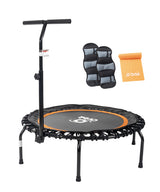
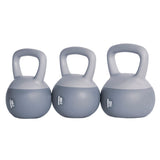
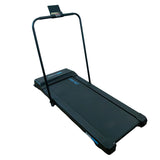
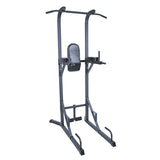
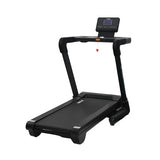
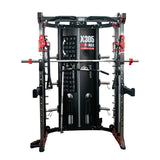
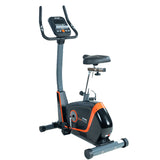
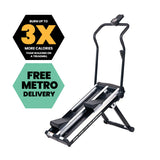
For those developing an exercise routine at home, Orbit Fitness offers treadmills and strength training equipment to support different training preferences and abilities.
Medical Information and Sources
This calculator provides general educational information and is not a substitute for individual medical advice. BMI cannot diagnose a health condition or determine a person's overall health.
FAQs
VIEW ALL FAQsWhat is a normal BMI for adults?
For most adults, a BMI from 18.5 to less than 25 is considered within the standard healthy weight range. However, BMI is only a screening measure and does not account for muscle mass, body composition or all individual health factors. Your GP can help interpret your result.
Is BMI different for women and men?
No. The standard adult BMI formula and classification categories are the same for women and men. However, differences in body composition and fat distribution can affect how BMI relates to individual health. The result should be considered alongside other relevant measurements.
Is a BMI of 25 overweight?
Yes. Under standard adult BMI classifications, a BMI of 25 falls at the beginning of the overweight category. A result in this category does not automatically mean someone is unhealthy. BMI should be considered alongside body composition, waist circumference and individual health information.
What BMI is considered obese?
Under standard adult classifications, a BMI of 30 or above falls within the obesity category. BMI 30 to less than 35 is Class I, 35 to less than 40 is Class II, and 40 or above is Class III. These are screening classifications, not a diagnosis on their own.
Is a BMI of 28.7 healthy?
A BMI of 28.7 falls within the standard adult overweight category. However, that result alone cannot establish whether a person is healthy or unhealthy. Muscle mass, waist circumference and other health indicators may provide additional context.
Is BMI accurate for athletes or people who lift weights?
BMI can be less informative for people with greater muscle mass because it does not distinguish muscle from fat. An athlete or someone who regularly lifts weights may have a higher BMI without having a correspondingly high body fat percentage.
For people interested in tracking strength improvements, Orbit Fitness's guide to progressive overload offers practical methods for monitoring training performance.
Can children and teenagers use an adult BMI calculator?
No. Children and teenagers need age- and sex-appropriate BMI interpretation because their bodies are still developing. Standard adult BMI categories should not be used to assess children's weight status.
For children, parents and carers can consult the NSW Health BMI guidance, which directs users to an age-appropriate calculator.